

India Seeks Iran’s Assurance for Secure Oil Tanker Passage through Strait of Hormuz
Indian government looks for the Iran’s assurance to ensure the safe movement of oil tankers through the Strait of Hormuz. Things are getting worse amid the Middle East tensions.
India seeks assurances from Iran to ensure safe passage for oil tankers through the Strait of Hormuz, a crucial global energy corridor, as tensions threaten maritime oil shipments and energy security.
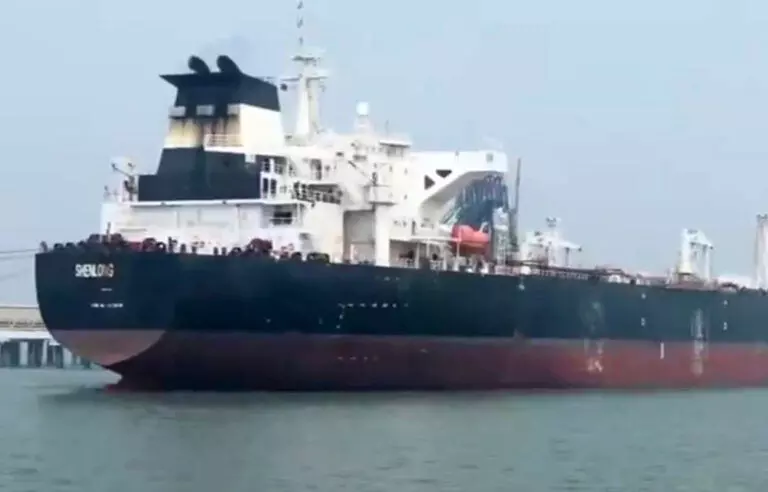
Iran has reportedly permitted Indian-flagged vessels to move on the strategic Strait of Hormuz tankers. The final decision was taken even as the Islamic Revolutionary Guards Corps tightened its grip on the waterway. It allows a strict maritime blockade and warns that ships moving without consent risk being targeted.
According to the sources, Iranian authorities have finalised to permit Indian-flagged ships to pass securely through the Strait of Hormuz. Here, the maritime traffic has slowed significantly due to the United States and Israel's introduction of strikes on Iran.
In the earlier India-Iran maritime talks, they warned that the vessels should get permission before attempting to cross the narrow waterway. It is considered one of the highly strategically sensitive shipping routes around the world.
Rear Admiral Alireza Tangsiri, commander of the IRGC Naval Force, declared that the ships overlooking Iran’s warnings could become a direct target.
The Iranian general shared in a post on X, “Were the ships assured of safe passage through the Strait of Hormuz? This should be asked of the crews of the vessels Express Rome and Mayuree Naree, who today, trusting in empty promises, ignored the warnings and intended to cross the Strait, but were caught. Any vessel intending to pass must obtain permission from Iran”.
India has approached Iran to request assurances for the secure movement of oil tankers through the planned Strait of Hormuz as tensions rise in the Middle East. The route is important for India’s energy security, with about 40% of its crude oil imports moving through the narrow waterway. It is increasing concerns over future supply disruptions.





